Watercolor and oil painters also use various mediums, but the range of acrylic mediums is much greater. Acrylics have the ability to bond to many different surfaces, and mediums can be used to modify their binding characteristics. In these cases, it is recommended that the surface first be sealed with an appropriate sealer. Acrylics can be applied in thin layers or washes to create effects that resemble watercolors and other water-based mediums.

They can also be used to build thick layers of paint — gel and molding paste are sometimes used to create paintings with relief features. Acrylic paints are also used in hobbies such as trains, cars, houses, DIY projects, and human models. People who make such models use acrylic paint to build facial features on dolls or raised details on other types of models. Wet acrylic paint is easily removed from paintbrushes and skin with water, whereas oil paints require the use of a hydrocarbon. Acrylic paint is a fast-drying paint made of pigment suspended in acrylic polymer emulsion and plasticizers, silicone oils, defoamers, stabilizers, or metal soaps.

Most acrylic paints are water-based, but become water-resistant when dry. Another difference between oil and acrylic paints is the versatility offered by acrylic paints. Acrylics are very useful in mixed media, allowing the use of pastel , charcoal and pen on top of the dried acrylic painted surface. Mixing other bodies into the acrylic is possible—sand, rice, and even pasta may be incorporated in the artwork. This versatility is also illustrated by the variety of additional artistic uses for acrylics.

Specialized acrylics have been manufactured and used for linoblock printing , face painting, airbrushing, watercolor-like techniques, and fabric screen printing. Is acrylic paint waterproof just a little awareness about the acrylic paint. Acrylic paint is a fast drying paint made of pigment suspended in acrylic polymer emulsion and silicone oils, stabilizers, or metal soaps.
Most acrylic paints are water-based, but become water resistant when dry. You can make acrylic paint waterproof by applying a non-water-soluble primer such as an Acrylic Gesso. Waterproof the canvas either with an Oil or Acrylic Painting Ground. If you use one, then your painting will be more durable and oil-based. The product can be diluted with water and used as a base for water-sensitive acrylic colors. If you are using the acrylic paint for outdoor painting, then you will have to waterproof it.

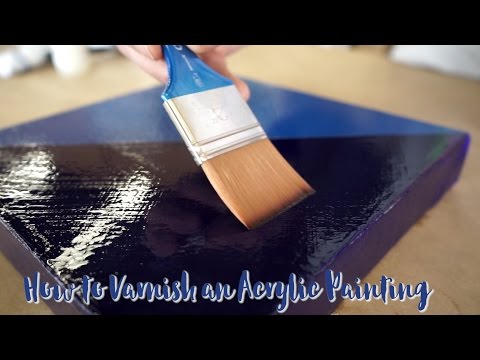
You can do that by using a top coat of an artist's Acrylic Matte Medium. You should apply varnish to wood after painting with acrylics. Sealing painted wood surfaces with varnish is the standard procedure. Changing the color or adding a glossy finish can completely alter the appearance of wooden objects. In addition to wood, varnish can be applied to many other surfaces. The best type of varnish for wood is polymer varnish.

The varnish should be applied in two coats and allowed to dry for a day or two between each coat. Whether you are looking to change the finish, alter the texture, control flow or drying time the Professional Acrylic Mediums range offers the products you need. These mediums bring versatility and stability along with the dependable quality that artists have come to expect from Winsor & Newton.

Acrylic paint is one of the most versatile paints, it can be formulated with a vast range of consistencies and qualities and easily adapted with mediums. It has the amazing ability to be layered in a myriad of ways, very quickly, if you desire to make use of its fast drying time. The main practical difference between most acrylics and oil paints is the inherent drying time. Oils allow for more time to blend colors and apply even glazes over underpaintings.

This slow-drying aspect of oil can be seen as an advantage for certain techniques, but it impedes an artist trying to work quickly. The fast evaporation of water from regular acrylic paint films can be slowed with the use of acrylic retarders. Retarders are generally glycol or glycerin-based additives.

The addition of a retarder slows the evaporation rate of the water. However, it also means that acrylic paintings can be more susceptible to water damage than those created using oil paints. The consistency is soft, allowing more paint coverage with no visible brush strokes. They can be thinned with water for washes or used straight from the tube for stronger colours, and layers of this paint will dry to a glossy finish. The creamy, medium body viscosity of System 3 acrylics means that the paint is perfect for use on its own or in multi-medium compositions. I love acrylic mediums because they make acrylic paints so versatile!
Soon after the water-based acrylic binders were introduced as house paints, artists and companies alike began to explore the potential of the new binders. Diego Rivera, David Alfaro Siqueiros, and José Clemente Orozco were the first ones who experimented with acrylic paint. This is because they were very impressed with the durability of the acrylic paint. Because of this, artists and companies alike began to produce Politic Acrylic Artists' Colors in Mexico in 1953.

The companies supplied him samples of their latest paints in quantities that he was using three decades later, according to the paper. Initially, the firms thought the PVA compounds would not be needed in commercially viable quantities. But they quickly recognised the potential demand and "so Ribeiro became the godfather of generations of artists using acrylics as an alternative to oils."

There are times when we make errors that make us start all over in a certain area. How then do you begin when there is dried paint on the canvas? All you need to do is apply some coat of medium gray acrylic painting to the affected area.

The moment it becomes dry in some minutes, you will then be able to apply the color you desire. This is required as against getting your colors layered sometimes. It will ensure that the surface is kept smooth as against having a textured surface for different layers of paint. Create a matte finish for your acrylic paint by applying Spray Mount Artist's Adhesive. This product is used for your finished artwork or painted surface. Once dry, it will protect your work from scratches and other damage while allowing the movement of layered material.

In addition, it has a quick drying time, so you can apply other coatings or topcoats right after spraying. When waterproofing acrylic paintings on canvas, you should apply a sealer to finish the job. Acrylics are typically applied to canvases before priming. If the surface is not primed, you can use Gesso primer.

You can begin creating your art piece once the primer is dry. This gesso is made from the highest quality acrylic resin. It has a superior level of pigmentation to give maximum covering power, so one coat is usually enough. However we recommend using two coats for unprimed canvases when used with oil colour. It is fast drying and opaque and dries to give an excellent level of tooth and a balanced absorbency. It dries to a non-yellowing, flexible ground suitable for acrylic, oil and alkyd painting.

If you want to start your work from a coloured ground, you can make your own tinted gesso primers by the addition of acrylic colours. We recommend using up to 1 part Professional Acrylic colour with 4 parts Clear Gesso, and opaque colours will give a better result. Acrylic paints are created by suspending dense pigments within an acrylic polymer emulsion along with other chemicals.

Acrylic is known for being a dynamic and versatile artist medium. With different manipulation methods, you can achieve the look of oils, watercolours, gouache and more. If you want to dye fabric, one of the easiest ways is with acrylic paint and fabric medium as opposed to more expensive enamel fabric paints. This method of coloring fabric doesn't work well to achieve dark colors but is great for watercolor-like effects and tie-die.
Simply mix 1 part acrylic paint, 1 part fabric medium, and 7 parts water. Let the paint soak into the fabric for two hours in the acrylic paint wash, wring out any excess water and hang the wet fabric up to dry. Use can also you this same mixture in a spray bottle to create a sprayed-on effect that will give you better results than fabric dyes. It usually takes 15–20 minutes for one to two layers of acrylic paint to dry.
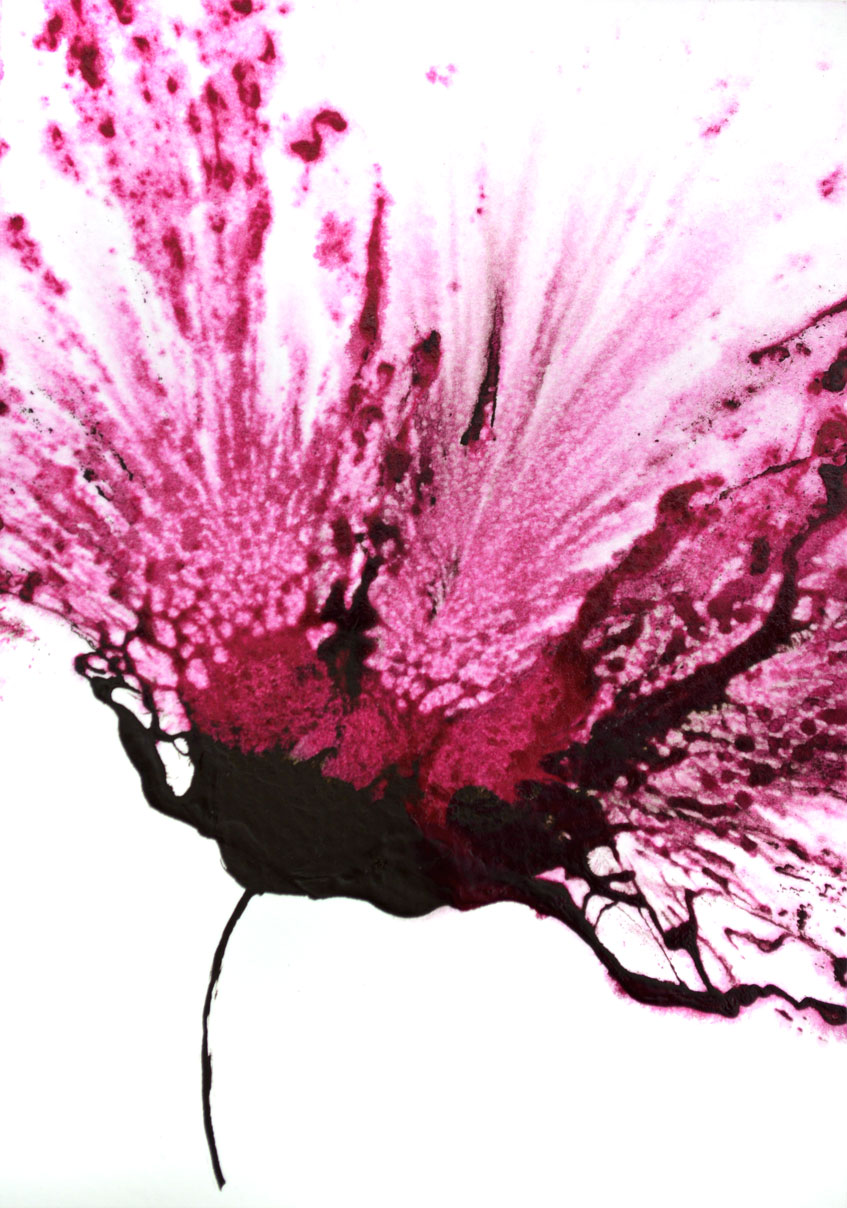
The rapid drying of acrylic paint tends to discourage blending of color and use of wet-in-wet technique as in oil painting. For this reason, acrylics do not lend themselves to the color lifting techniques of gum arabic-based watercolor paints. Instead, the paint is applied in layers, sometimes diluting with water or acrylic medium to allow layers underneath to partially show through. Using an acrylic medium gives the paint more of a rich and glossy appearance, whereas using water makes the paint look more like watercolor and have a matte finish. Unfortunately, there is no such thing as waterproof acrylic paint.

If your outdoor paint-work is not properly finished with an acrylic paint sealer, it will wash off when the rain falls on it. Even though the paint sticks to a surface when it's dry, it will wash off if exposed to water while it is still wet. Paint also can peel off or chip even after it has dried. Therefore, it is necessary to apply an acrylic sealer or polyurethane spray varnish to finish up the paint-work to extend its lasting period.

Is Acrylic Jacket Waterproof If you're waterproofing an acrylic painting on canvas, you'll want to add a sealer to complete the project. Most canvases are pre-primed to hold acrylics to the surface. You can use a Gesso primer to prepare an un-primed surface. When the primer is dry, the canvas is ready for you to create your art piece. Acrylic paint is a water based paint that gives it the ability to dry fast. It's made by mixing pigment with acrylic polymer emulsion.
That is why the drying process is so fast with acrylic paint. A varnish to seal and protect your finished work from dirt, dust and UV damage. To help you find the ideal format, we make 11 professional acrylic varnishes to use on all types of artwork, inside and outdoors. Choose from different surface sheens, application methods - spray or brush-on - and permanent or removable options.

Create a protective barrier over your acrylic paint with this product. It's ideally used as a gloss or satin topcoat for finished paintings. It can also be applied to an already dry image to give it a glossy finish.
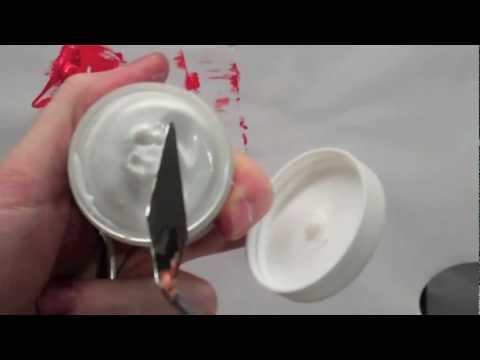
High-Performance Clear GAC 500 is flexible and will not yellow or crack over time. It's perfect for use on various surfaces, including paper, canvas, wood panels, masonry, ceramic tiles, fabric, and even metal. This product is a high-quality, water-soluble gloss resin. It's mainly used as an additive to increase the flexibility of acrylic paints and mediums.

But you can also use it to protect your finished painting or artwork by creating a waterproof finish with only one coat. In other words, if you don't properly finish your paint project with an outdoor acrylic paint sealer, the paint will wash off when exposed to the elements. While the paint might stick to your painting surface, if it's exposed to water before it's completely dry, the paint will wash off.
Most importantly, it makes the painted fabric permanent after washing no matter if you're painting on cotton fabrics, poly-cotton blends or other fabric types. The main ingredients in fabric medium are water-based binders which make your paint more flexible and workable no matter the fabric use. It will easily interlock between the fabric fibers to make a web of paint that won't crack or flake off on most fabric types.

Also, fabric medium helps to retain the depth of pigments so you can enjoy the same vibrant colors even after several washes. Acrylic paints are without a doubt some of the most commonly used types of paints. Hence, if you use sealers and primers, your item will become water-resistant and preserved. It will go a long way in assisting the item looking its best for quite a long time. This is why it is advisable to use small amounts of paints on your brush each time. Before we get into the specifics of waterproofing acrylic paint, it's important to first have a basic understanding of what this type of paint is and how it works.

Acrylics are water-based paints that consist of a pigment suspended in a polymer emulsion. This means that when they are wet, they appear glossy and translucent; but once they dry, they become opaque and relatively hard. The method of varnishing Masonite is quite easy and similar to that of regular wood. Just apply polymer varnish over the acrylic paint on the surface of the Masonite.

Only one coat is okay for Masonite surfaces because they are more delicate than the normal wood. But make sure the paint is completely dry before applying the sealant over it. Besides canvas, paper, and card, you can use acrylics to paint on glass and plastic, metal and stone, fabric, and leather. Since acrylic paint is water soluble, you can wash your brushes and palette, as well as your hands, with soap and water.